
Nature Tours in Qatar: The Best Places to Experience Qatar’s Wild Side
Nature tours in Qatar reveal a side of the country that is easy to miss if you only explore Doha. Beyond the skyline are mangrove forests, quiet islands, dramatic limestone formations, protected reserves, desert dunes and a coastline shaped by the Arabian Gulf.
From kayaking through the Al Thakhira mangroves to watching the sunset around Zekreet or exploring the dunes of Khor Al Adaid, these are some of the best ways to experience Qatar's natural landscapes — and how to plan them.
Why Choose a Nature Tour in Qatar?
Qatar may be compact, but its natural environments are surprisingly varied.
The Ministry of Environment and Climate Change describes Qatar's ecotourism resources as including nature reserves, islands, coastlines, caves, valleys, sand dunes and marine environments. It also identifies Khor Al Adaid and Al Thakhira among the country's marine protected areas.
That means a nature-focused itinerary doesn't have to revolve around one type of landscape.
You can spend the morning paddling through mangroves, drive across the desert in the afternoon and finish the day watching the sunset beside the sea.
If you're visiting between November and April, the cooler weather makes outdoor exploration particularly pleasant. During the warmer months, early-morning and late-afternoon tours are usually much more comfortable.
1. Kayak Through the Al Thakhira Mangroves
If you only choose one nature experience, make it a mangrove kayaking tour.
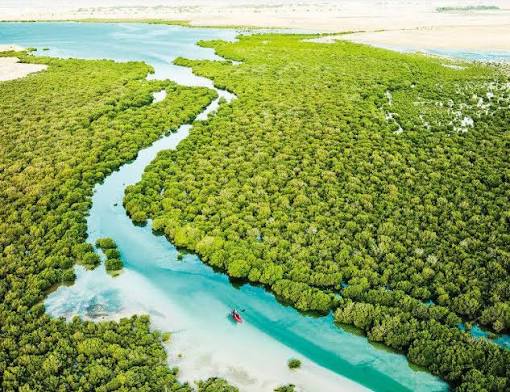
Located near Al Khor in northeastern Qatar, the Al Thakhira Mangroves are one of the country's most unusual landscapes. Instead of endless sand, you find dense green mangrove vegetation growing in shallow coastal waters.
The Ministry of Environment and Climate Change identifies Al Thakhira as a protected area and describes it as Qatar's largest mangrove forest. The ecosystem includes coastal wetlands, mudflats, coral areas and seagrass habitats.
The best way to explore it is from the water.
What to expect
A guided kayaking trip can take you through narrow channels surrounded by mangrove roots. Depending on the season and tide, you may spot:
Visit Qatar has highlighted the mangroves as a kayaking destination and notes that migratory flamingos can be seen in the area during the cooler months.
Qool tip: Choose an early-morning tour if you're visiting outside winter. The water is generally calmer and the temperatures are easier to handle.
2. Explore Purple Island
Just beyond the mangrove environment is Purple Island, also known as Bin Ghannam Island.
The name isn't simply a modern marketing invention. Visit Qatar explains that the island was associated with the ancient production of purple dye from murex snails. Today, the area is better known for its mangroves, shallow waterways and birdlife.
A nature tour here can combine:
During the cooler months, migratory birds add another dimension to the experience. Flamingos, herons and other waterbirds can be found in the broader Al Thakhira/Purple Island area.
This is a particularly good choice if you're travelling with children because the experience is more about exploration than adrenaline.
3. Take a Desert Nature Tour to Khor Al Adaid
The Inland Sea, or Khor Al Adaid, is probably Qatar's most recognisable natural landscape.
Here, enormous sand dunes meet a tidal body of water in the southeastern part of the country. The Ministry of Environment and Climate Change identifies Khor Al Adaid as one of Qatar's marine protected areas.
Getting there is part of the adventure.
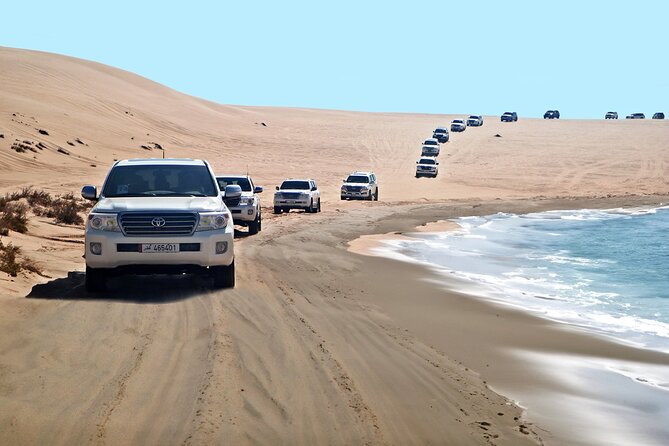
The journey typically involves travelling across soft desert sand in a suitable 4x4, making this a natural fit for a guided desert safari.
Combine nature with adventure
A Khor Al Adaid tour can include:
Visit Qatar's current Khor Al Adaid map also identifies designated areas for activities such as camel safaris, diving, fishing and desert excursions.
Qool tip: Don't schedule your visit only around dune bashing. Ask your guide to allow time at the Inland Sea itself. The contrast between the dunes and water is what makes this landscape special.
4. Discover the Zekreet and Ras Abrouq Landscape
Head west instead of south and the scenery changes completely.
The Zekreet and Ras Abrouq area is characterised by pale limestone formations, open desert and unusual rock shapes. Visit Qatar has described the landscape around Ras Abrouq as a distinctive desert environment within the UNESCO-protected Al-Reem Biosphere Reserve.
This makes it an excellent destination for a nature-and-photography tour.
What can you see?
A guided excursion can combine several nearby sights:
The landscape is particularly photogenic in the late afternoon, when the low sun brings out the textures in the limestone.
Visit Qatar currently lists guided private tours of the Zekreet Peninsula as an option for visitors who don't want to navigate the area independently.
5. Look for Wildlife at Al Shahaniya Reserve
Nature tours don't always mean landscapes.
Qatar is also home to protected areas dedicated to wildlife conservation.
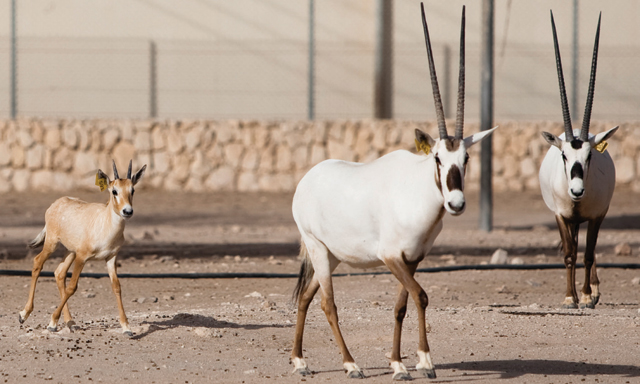
Al Shahaniya Reserve, around 45 kilometres from central Doha, was established in 1979 and is specifically associated with the breeding and conservation of the endangered Arabian oryx. The reserve also has an enclosure for ostriches.
The Ministry of Environment and Climate Change says the reserve forms part of Qatar's wider efforts to conserve wildlife and support the release and protection of species including Arabian oryx and gazelles.
For wildlife enthusiasts, this is a very different experience from a desert safari.
Rather than looking for animals by chance, you're learning about conservation and Qatar's native wildlife.
6. Visit Al Rufaa's Natural Meadows
For something quieter, consider Al Rufaa Reserve.
Located near Al Rayyan and Al Wajba, the reserve covers approximately 53 square kilometres and is known for its meadows, native wild plants and local ecosystems. The Ministry of Environment and Climate Change designated the area as a natural reserve in 2020.
It's not the kind of destination where you go expecting a long list of attractions.
Instead, the appeal is the landscape itself.
After rain, Qatar's normally dry terrain can change dramatically, with green vegetation appearing across areas of meadow and rawdah.
Qool tip: If you're interested in Qatar's seasonal landscapes, ask your local guide about recent rainfall before planning a visit. The appearance of wild vegetation varies significantly throughout the year.
7. Explore the Al Wusil Reserve
Northeast of Doha, Al Wusil Reserve offers another example of Qatar's ecological variety.
According to the Ministry of Environment and Climate Change, the reserve covers around 36 square kilometres and includes coastal environments, sabkhas and meadows, alongside distinctive geological formations and historical features. The reserve is also being rehabilitated with native plants and wildlife conservation initiatives.
It is best suited to visitors who want to see a less commercial side of Qatar.
Because protected areas have specific management requirements, don't assume that every reserve is freely accessible for independent exploration.
8. Explore Qatar's Beaches and Coastal Nature
Qatar's natural attractions aren't limited to the desert.
The country has a long coastline with beaches, shallow waters, tidal areas and marine ecosystems. The Ministry of Environment and Climate Change states that Qatar's coastline stretches for approximately 563 kilometres.
For nature-focused outings, you could consider destinations such as:
Visit Qatar has also highlighted Fuwairit as an area where hawksbill sea turtles can be spotted during their breeding season.
Important: Wildlife sightings are never guaranteed. If you're visiting a turtle or bird habitat, observe from a respectful distance and follow any posted conservation rules.
9. Go Birdwatching in Qatar
You don't have to be a dedicated birder to enjoy birdwatching in Qatar.
The country's wetlands, mangroves, beaches and islands attract a variety of resident and migratory birds.
The Al Thakhira and Purple Island area is particularly interesting during the cooler months. Visit Qatar's guide highlights flamingos and other migratory birds in the region, while the wider mangrove ecosystem provides habitat for fish, crabs and coastal bird species.
Bring:
And keep your distance. The goal is to observe wildlife without disturbing it.
10. Explore Dahl Al Misfir
For something genuinely different, head underground.
Dahl Al Misfir is one of Qatar's better-known natural geological attractions and has been featured by Visit Qatar among its outdoor experiences.
The sinkhole is located west of Doha and offers a completely different experience from the country's coastal and desert landscapes.
Visit Qatar has previously cautioned visitors about the lack of safety infrastructure at the site, including fences, steps and guide ropes.
That makes preparation particularly important.
What Is the Best Time for Nature Tours in Qatar?
For most outdoor activities, the cooler months from roughly November to April are the easiest time to explore.
This is especially useful for:
Summer doesn't make nature exploration impossible, but you'll want to change your schedule.
Aim for:
Early morning → indoor break → late afternoon/evening
Avoid prolonged exposure to the midday sun, carry plenty of water and check the weather before heading into remote areas.
How to Plan a Nature Tour in Qatar
If you're building your own itinerary, don't try to cover the whole country in one day.
Instead, group destinations by region.
Northern Qatar
Best for: Mangroves, birds and coastal landscapes
Southern Qatar
Best for: Desert and marine landscapes
Western Qatar
Best for: Geology, desert scenery and photography
Central/Western Qatar
Best for: Geological and seasonal landscapes
A local guide can also help you combine nature with cultural stops rather than spending the entire day in a vehicle.
Responsible Nature Tourism in Qatar
The best nature tour leaves the landscape looking exactly as you found it.
Qatar's Ministry of Environment and Climate Change specifically describes ecotourism as responsible travel that helps conserve natural environments, reduce environmental impacts and increase awareness of biodiversity.
A few simple rules make a big difference:
Remember that a protected landscape isn't an outdoor theme park. Some areas require permission or have restrictions on visitor access.
FAQ: Nature Tours in Qatar
What are the best nature tours in Qatar?
Some of the most distinctive options include mangrove kayaking at Al Thakhira, a desert-and-Inland-Sea excursion to Khor Al Adaid, a Zekreet and Ras Abrouq tour, wildlife-focused experiences and coastal birdwatching.
Where can I see mangroves in Qatar?
The Al Thakhira Mangroves, near Al Khor, are one of Qatar's most important mangrove areas. Kayaking is one of the best ways to explore the waterways. The Ministry of Environment and Climate Change identifies Al Thakhira as Qatar's largest mangrove forest.
Can you see wildlife on nature tours in Qatar?
Yes. Depending on the destination and season, you may encounter birds, flamingos, marine life, crabs and other wildlife. Qatar also has protected areas dedicated to wildlife conservation, including Al Shahaniya Reserve.
However, wildlife sightings are never guaranteed.
What is the best time of year for nature tours in Qatar?
The cooler months, particularly November through April, are generally the most comfortable for spending extended periods outdoors. Bird migration and seasonal vegetation can also make winter particularly interesting.
Do I need a guide for nature tours in Qatar?
For some locations, a guide is strongly recommended. Khor Al Adaid requires desert driving across soft sand, while remote landscapes and protected areas can have access restrictions. A local guide also makes it easier to combine several locations into one efficient itinerary.
See a Different Side of Qatar with Qool Tourism
Qatar's natural attractions reward you for leaving the city behind.
Paddle through mangroves in the north, cross the dunes towards the Inland Sea, photograph the limestone formations of Zekreet or spend a quieter morning looking for birds along the coast. Each experience shows you a different part of the country.
Qool Tourism can help build a nature-focused itinerary around your interests, whether that's a private mangrove excursion, desert and wildlife experience, family day trip or a full Qatar itinerary with transport and local guides.
Tell us what kind of nature experience you're looking for, and we'll help you plan the route.